

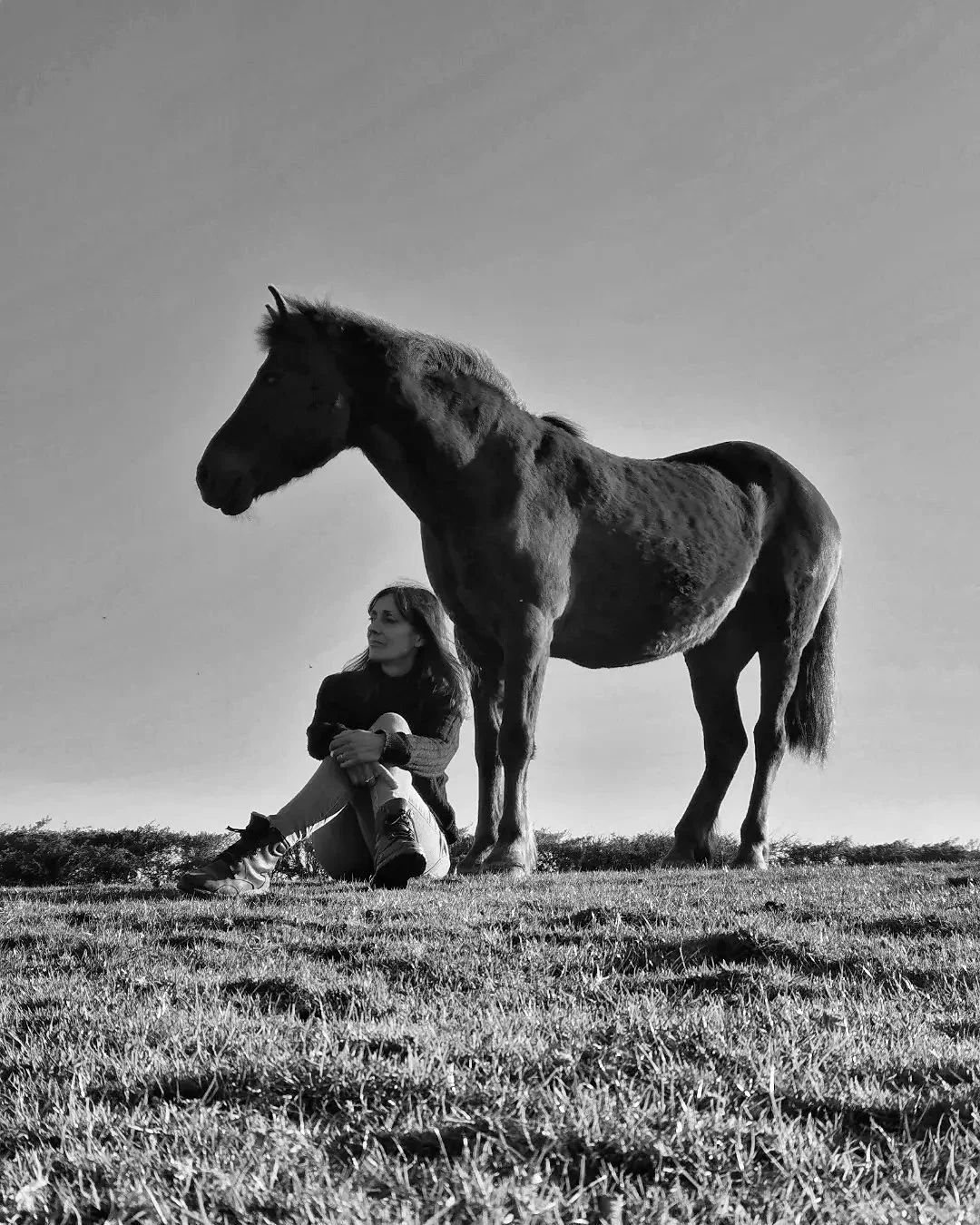
Equine Assisted Therapy for 16+
Equine Assisted Therapy (EAT) is an experiential approach to wellbeing that takes place outdoors, working alongside horses in a natural environment. It offers an alternative to traditional talking therapy and can feel less intense, particularly for those who find direct conversation challenging.
Horses are highly attuned to non-verbal communication and respond honestly to emotional states, body language, and intention. Their immediate and authentic feedback can gently highlight patterns around boundaries, trust, confidence, and relationships, without judgement or confrontation.
Both client and equine welfare are central to the process. Horses engage through choice, and their comfort and communication are always respected. Sessions involve reflective and somatic awareness, helping you tune into your nervous system responses and better understand how stress and emotions are held in the body.
No prior horse experience is needed. Through guided, collaborative work, Equine Assisted Therapy can support greater self-awareness, emotional regulation, resilience, and more confident ways of relating to yourself and others.
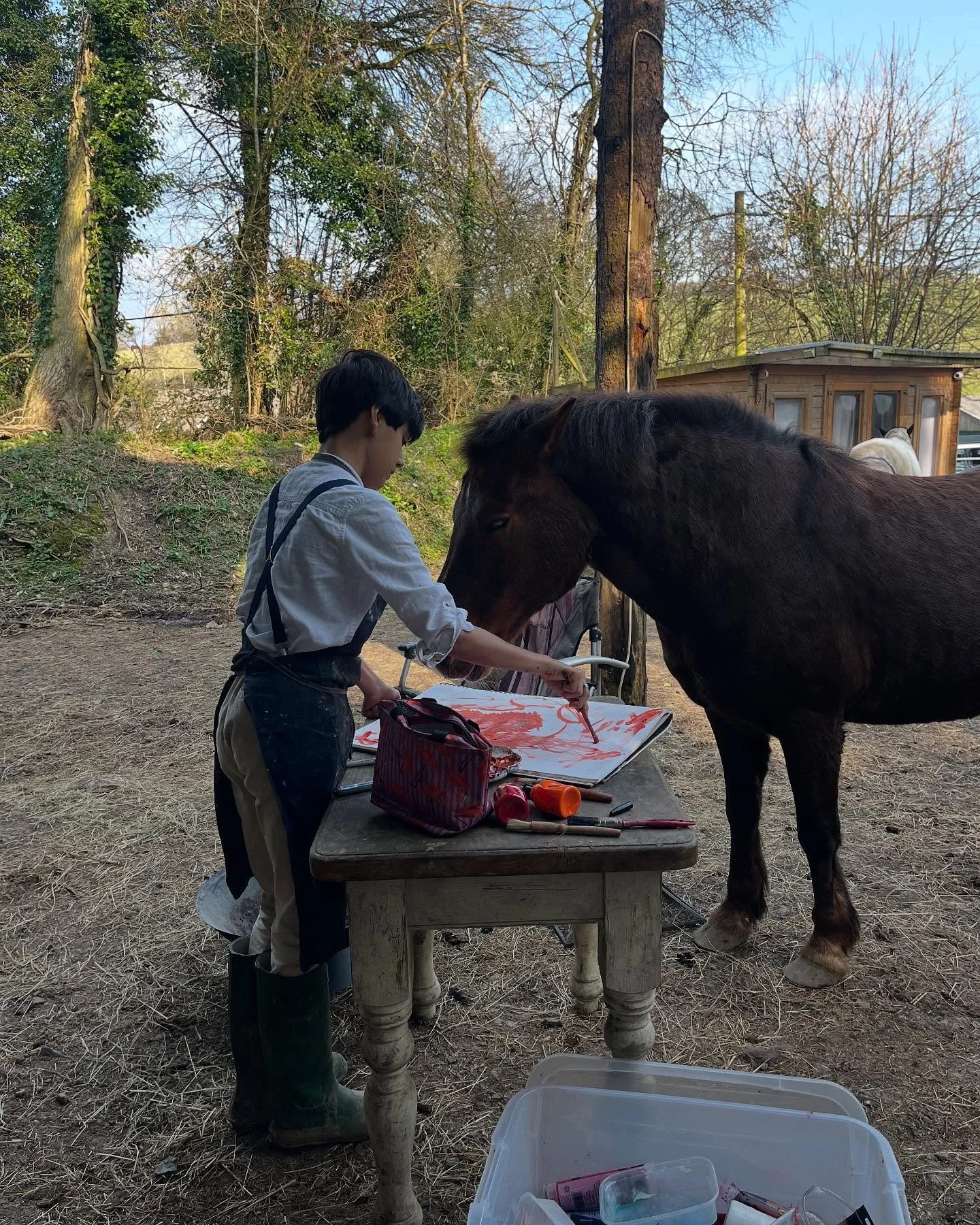
Equine Facilitated Learning
Equine Facilitated Learning (EFL) is an experiential and strengths-based approach to personal development that takes place alongside horses in a natural environment. Unlike therapy, the focus is not on processing past trauma or mental health difficulties, but on building awareness, confidence, communication skills, and emotional resilience through practical, reflective experiences.
Horses are naturally responsive to non-verbal cues, intention, and emotional energy. As herd animals, they are highly attuned to connection, boundaries, and leadership. When we interact with them on the ground, they respond honestly and in the moment. This immediate feedback can help highlight patterns in communication, self-belief, problem-solving, and relationship dynamics in a way that feels engaging and accessible.
Sessions are collaborative and tailored to individual or group goals. Activities may include groundwork exercises, observation, creative tasks, or structured challenges designed to explore themes such as confidence, teamwork, regulation, and trust. The learning emerges through doing, reflecting, and noticing what happens internally and relationally.
Equine welfare is always central. Horses participate through choice, and their body language and comfort guide the pace of each session. No prior horse experience is required.
Equine Facilitated Learning can be particularly supportive for children, young people, and adults who benefit from hands-on, outdoor, and relational approaches to growth. By working in partnership with horses, individuals often develop greater self-awareness, clearer boundaries, improved communication skills, and a stronger sense of personal capacity
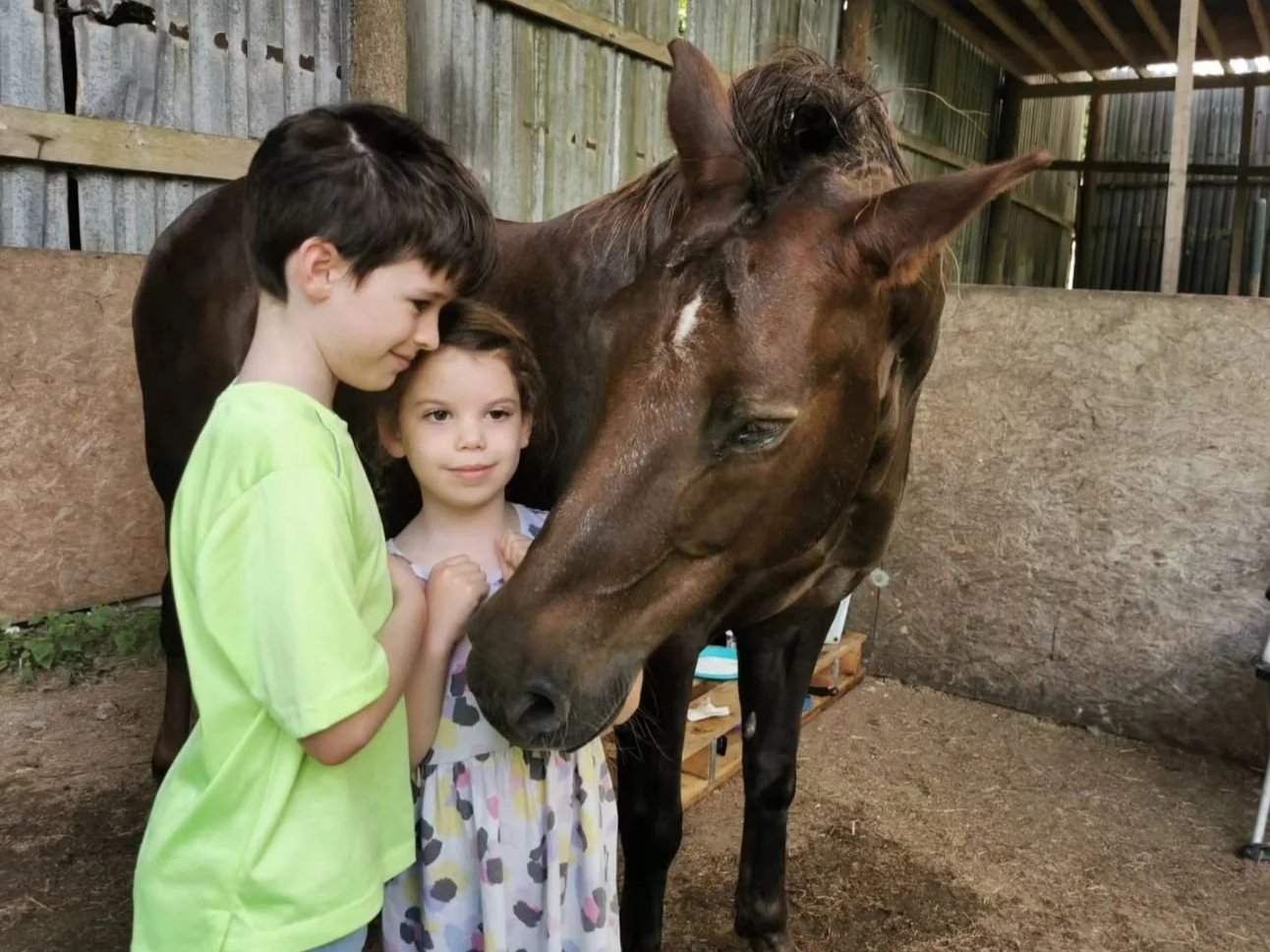
Group sessions
Coming soon…